Evolution of Jewellery

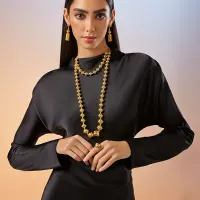
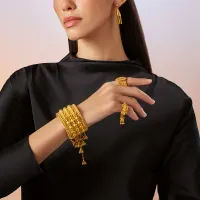
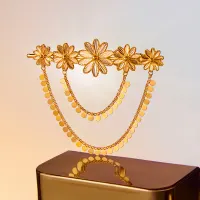
Jewellery is a way of adornments used since pre-historical times, and it comes in different materials, shapes, and colours. Gemstone, pearls, silver, gold, etc., are the primary metals and materials used in jewellery. However, this was not always the case, and the jewellery we have today is the result of various factors that reshaped and re-designed the jewellery till it becomes the way it is today.
Human beings had always shown a great interest in wearing jewellery for adornment purposes, even before writing was discovered. During ancient times, men and women used bones, stones, feathers, shells, and animal skin as jewellery.
During the mediaeval period, although the tools to make jewellery were enhanced, the possession of jewellery was defined by social class. For example, the royalty and noble wore gold, silver and gemstone, whereas the common people wore simpler metal such as copper. Jewellery for this period was for body ornaments such as bracelets, necklaces, brooches, and weapons decoration. Gold was the dominant metal. Freshwater pearls, amber, jet and coral, were the popular gemstones and metals used, especially in Europe.
Due to the changes that occurred during the renaissance period, and the discovery of the new world, jewellery underwent a huge transformation. The trade was easier and reachable to different places where new gemstones were imported, such as rubies, topaz, diamonds, amazonite, garnet, and amethyst. The first time Baroque pearls were used was in this period. The jewellery started to look more like modern jewellery, and the most popular items were earrings, bracelets, necklaces and pendants.
By the 17th century, soft flowing dresses emerged, and as a result, a new jewellery style took place. Jewellery during this time started to have softer colours, and the use of flora or nature in design was dominant. A major contribution to the jewellery industry in this period was creating astonishing watches as part of jewellery.
Due to the machine developments- after the Industrial Revolution- jewellery shaping, cutting, and designing became easier and at fewer costs, making it affordable to a wider range of people. Popular jewellery in these eras were hair jewellery and portrait miniatures.
The Victorian era had contributed a lot to the variety of jewellery that evolved rapidly within the period itself. Flora designs and bright colour gemstones were heavily used. Later, using the shape of a snake in a ring or a gold necklace became stylish. The use of human hair in a gold pendant, for instance, started to emerge. The richness of this period was due to the growth in the economy that allowed most people to buy their jewellery.
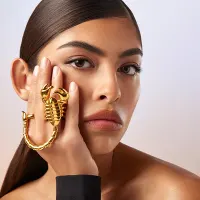
Following decades showed new movements in art that affected the jewellery styles such as art nouveau and art deco, among many others. These movements paved the way for creativity in jewellery designs. They introduced the use of insects & geometrical shapes. The use of platinum, sapphire, rubies, and onyx was widespread.
The jewellery of today is the refined result of the previous historical eras, and it is accumulative of great designs in a better way that matches today’s needs and style.

Download the App & Invest
in Al Romaizan Gold today