


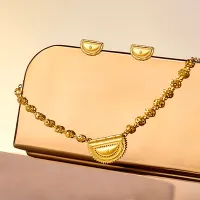



Are Pendants the Same as Necklaces?

The words pendants & necklaces are exchangeable, and many people think that these are different names for the same jewellery item. But, in fact, pendants are different items of jewellery, and they have been used since the Stone Age. So, what are pendants?
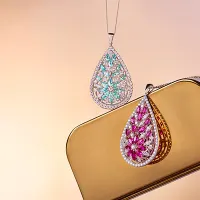
The pendant comes from the Latin word pender, which means hanging down, and it refers to the piece of jewellery that is attached to necklaces via a loop.
They are more known for necklaces which is why people get confused between them and necklaces. Still, pendants can be attached to any ornament such as ribbons, bracelets, anklets, earrings, etc. In contrast, bracelets and anklets’ pendants are usually smaller than the pendants for necklaces, and sometimes we refer to them as charms.
As we mentioned earlier, humans have used pendants since the Stone Age and for several purposes. Pendants were attached to royals, religious beliefs, and spiritual as the rest of the jewellery items.
For example, the pharaohs wore large pendants engraved with scenes from the ceremonies of deifying the sovereign. Famous pendants used in ancient Egypt had animals and insect shapes such as snakes, flies, scarab with large open wings, vultures and falcons. One of the most popular pendants used in ancient Egypt that did not have an animal shape is the eye of Horus, which is the symbol of healing, protection and restoration.
However, ancient pendants were not all made from gold. Like other types of early jewellery, pendants were made of teeth, bones, shells, etc. Gold pendants were used in later stages.
What are the popular pendants or remarkable ones in ancient times and throughout history?
Mycenae gold pendant: It is one of the earlier gold pendants found in Mycenae, Greece. It featured two hornets clasped together.
Etruscan pendants: They were shaped like human heads.
The entire necklace pendants: They were the Greek and Hellenistic pendant styles.
Bulla pendants: They were popular during Roman times, and they were amulets in the shape of lockets, and boys wore them during the Roman era.
Architecture-framed pendants: They were popular during the middle ages, when pendants represented Christian figures and symbols such as the cross, crown of thorns, etc.
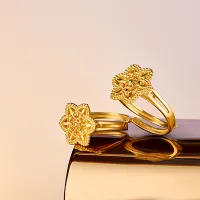
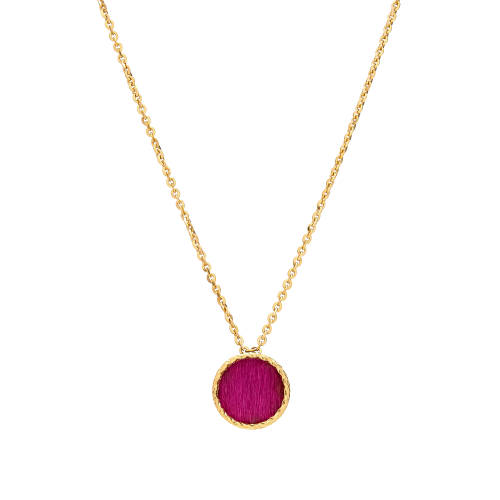
Pendants represented decorative items rather than religious or symbolism from the renaissance onwards. Right now, pendants in jewellery are a creation of creative art, and we will find plenty of shapes and designs that can go along with a gold necklace, gold anklet, or sometimes hanging down from earrings.



Download the App & Invest
in Al Romaizan Gold today