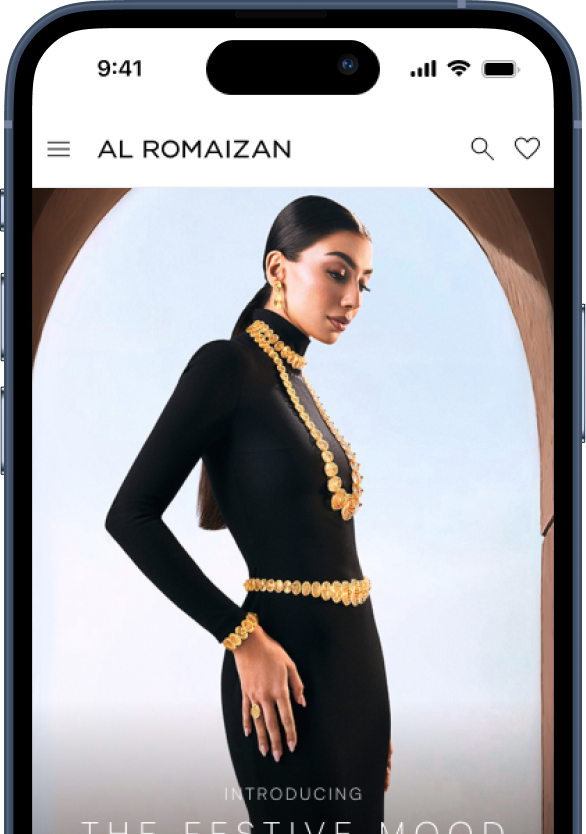
The New Classics: Reinventing Traditional Dallah and Arabian Motifs in Gold
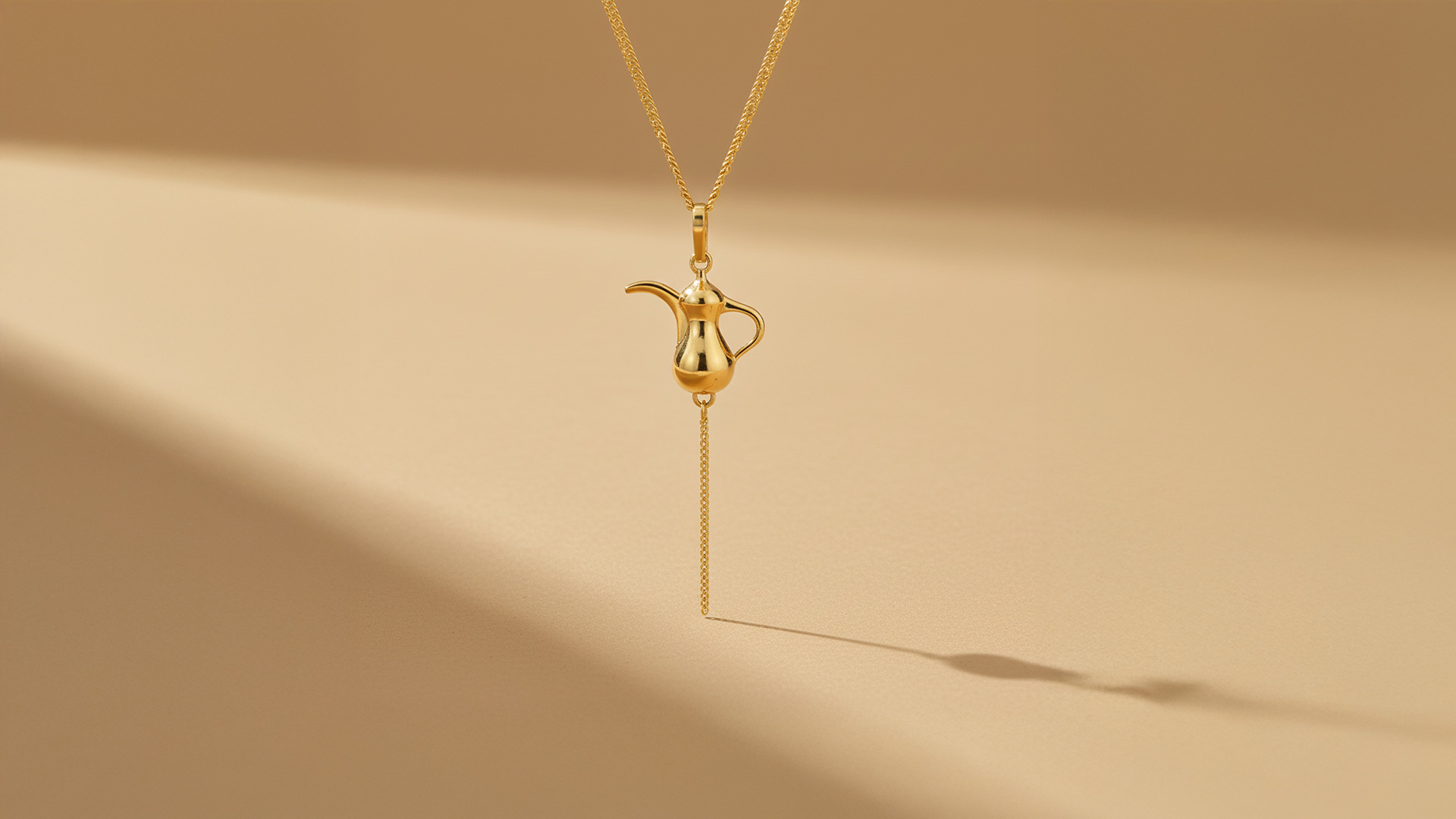
In the heart of Arabian culture lies a timeless symbol of hospitality, heritage, and elegance: the dallah. This iconic coffee pot, with its distinctive long spout and crescent-shaped beak, has been central to Arabic tradition for centuries. Today, contemporary jewelry designers are breathing new life into this classic symbol by incorporating dallah patterns and Arabian motifs into stunning gold pieces that bridge the gap between ancient tradition and modern luxury.
The reinvention of traditional Arabian design elements in gold jewelry represents more than just a fashion trend. It reflects a growing movement toward cultural pride, sustainability, and meaningful accessories that tell stories of heritage and identity. Whether you're drawn to the geometric precision of Islamic art or the symbolic depth of Bedouin patterns, these new classic pieces offer something timeless for every taste.
The Rich History of the Dallah
Understanding the significance of the dallah is essential to appreciating its modern interpretations in jewelry. The dallah is a traditional Arabic coffee pot used for centuries to brew and serve qahwa, a spicy and aromatic coffee that represents the soul of Arabian hospitality.
The origins of the dallah trace back to around the mid-17th century, though coffee culture itself flourished across the Arabian Peninsula since the 7th century when coffee was introduced from Ethiopia. This beautiful vessel evolved beyond its functional purpose to become a profound symbol of Arab cultural identity and values.
The dallah's pear-shaped body, long curved spout, and intricate geometric patterns make it instantly recognizable across the Middle East. Its significance extends far beyond aesthetics. The dallah embodies core values in Arabian societies: hospitality, generosity, community, and family bonds. Serving aromatic Arabic coffee from an elegant dallah represents the ultimate hospitable gesture, a tradition that persists unchanged for generations.
Cultural Significance and Symbolism
The dallah holds such importance in Gulf Cooperation Council countries that it appears on public artworks, architecture, and even national coins. In the 19th century, the dallah played a central role in Bedouin social practices, symbolizing hospitality during tribal gatherings and negotiations where its preparation ritual fostered communal bonds.
The traditional process of preparing qahwa involves roasting fresh coffee beans with aromatic cardamom and saffron before brewing in the dallah. This ceremonial approach promotes meaningful conversation and quality time between family and friends, reflecting how community bonds are deeply valued in Arabian culture.
Today, contemporary artisans continue to honor this heritage by incorporating dallah ornamental designs into jewelry and homewares. These modern interpretations allow new generations to stay connected to their Arabic roots while embracing contemporary aesthetics. Owning a piece featuring dallah motifs links wearers to grandparents and ancestors who brought these traditions across generations.
Traditional Arabian Motifs and Their Meanings
Arabian jewelry has always been distinguished by its use of meaningful symbols and intricate patterns. Contemporary designers draw inspiration from these time-honored motifs, each carrying profound cultural significance.
Geometric Patterns and Sacred Geometry
Geometric patterns dominate traditional Arabian jewelry, reflecting the mathematical precision valued in Islamic art. These intricate designs often feature repeating triangles, circles, hexagons, octagons, and diamond shapes that create mesmerizing patterns when light catches the metal's surface. Known as "girih" or sacred geometry, these patterns represent the infinite nature and mathematical order of the universe.
Palm Tree Motifs
Before oil transformed the economies of Gulf states, the humble date palm was the lifeblood of desert communities. Stylized palm fronds and date clusters feature prominently in traditional gold jewelry, symbolizing resilience, sustenance, and the ability to flourish in challenging environments. These delicate designs often mimic the fronds and trunk of the date palm, celebrating a tree vital to Bedouin survival.
Crescent Moon and Star Patterns
Perhaps the most recognizable symbols in Arabian gold jewelry are the crescent and star. While commonly associated with Islam, in Gulf jewelry these celestial symbols carry additional meanings of royal protection, divine favor, and spiritual guidance. These symbols were believed to offer protection during long desert journeys, making them deeply meaningful for jewelry wearers.
Calligraphy and Sacred Text
Arabic calligraphy represents one of the most distinctive elements of Arabian jewelry design. Pieces often feature Quranic verses, poetic words, or spiritual inscriptions. These carefully crafted scripts add profound spiritual depth and personal meaning to each piece, transforming jewelry into wearable art with layers of significance.
Floral and Nature-Inspired Elements
Floral motifs representing growth, beauty, and prosperity appear throughout Arabian jewelry traditions. These designs celebrate the natural world and the deep connection between Bedouin people and their environment, honoring creatures and plants essential to nomadic life.
The Craftsmanship Behind Arabian Gold Jewelry
Creating authentic Arabian gold jewelry requires exceptional skill and dedication. Highly trained craftspeople use various time-honored techniques passed down through generations to bring each piece to life.
Traditional Techniques
The process of creating Arabian gold jewelry involves multiple intricate steps. Artisans employ hand-hammering techniques using specialized mallets to shape metal sheets over wooden forms. Filigree work remains one of the most popular techniques, featuring elaborate and detailed patterns made of twisted and curled gold wires. Granulation, where tiny gold spheres are added for texture, creates wonderfully intricate patterns on the surface of each item.
Engraving allows artisans to carve precise designs directly into the metal, while stone-setting requires exceptional precision to secure precious gemstones into gold settings. These various processes, when combined, create pieces that demonstrate unparalleled artistry and cultural authenticity.
Materials and Purity
Traditional Arabian gold is prized for its exceptional purity. The preference for high-karat gold in Gulf jewelry—typically 21 or 22 carats—reflects both aesthetic and cultural values. This high gold content gives Arabian jewelry its distinctive warm yellow glow synonymous with prosperity in the region.
For everyday pieces, brass, copper, or lower-karat gold provides affordability without compromising beauty. For ceremonial or high-status pieces, silver or 24-karat gold conveys prestige and opulence, making these pieces treasured heirlooms passed down through families.
Modern Reinterpretations: Blending Tradition with Contemporary Design
Today's jewelry designers face an exciting challenge: how to honor centuries of tradition while meeting the expectations of modern, fashion-conscious consumers. The result is a fascinating fusion of old and new that respects heritage while embracing contemporary aesthetics.
Minimalist Designs with Maximum Impact
Contemporary interpretations often feature minimalist designs that incorporate traditional motifs in subtle ways. Sleek gold pendants might display a simplified dallah outline, while bracelets could feature geometric patterns inspired by Islamic architecture. These pieces appeal to those who want cultural connection without the weight and grandeur of traditional jewelry.
Mixed Metal and Fusion Styles
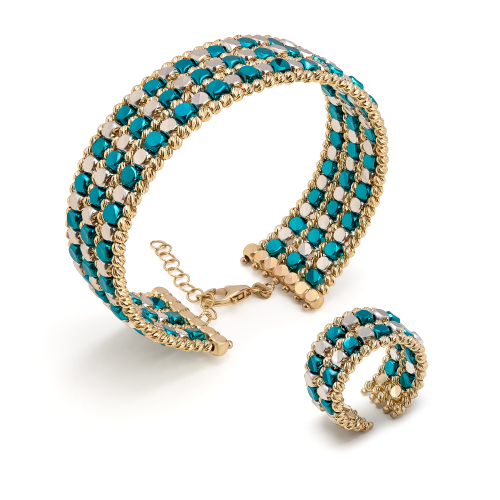
Many modern designers experiment with combining classic Arabic motifs with contemporary materials. Pieces might blend traditional gold work with platinum, incorporate modern gemstone settings while maintaining essential Bedouin design elements, or mix warm gold tones with cooler silver or rose gold finishes.
Personalization and Customization
Modern consumers appreciate the ability to make jewelry deeply personal. Contemporary brands now offer customizable pieces featuring family names in Arabic calligraphy, initials, or personalized geometric patterns. This allows wearers to celebrate their heritage while creating truly unique pieces.
Statement Pieces for Today
Bold, contemporary interpretations also thrive in modern jewelry markets. Large dallah-inspired pendants, statement rings featuring geometric patterns, and elaborate necklaces with traditional motifs appeal to those who want to make a powerful cultural statement. These pieces combine the grandeur of traditional Arabian jewelry with modern design sensibilities.
Dallah Motifs in Jewelry: Creative Interpretations
Designers have found numerous ways to translate the distinctive dallah shape and aesthetic into wearable jewelry. These interpretations range from literal representations to subtle symbolic references.
Pendant Designs
The dallah's iconic silhouette translates beautifully into pendant forms. Gold pendants capturing the pot's characteristic shape serve as meaningful conversation pieces. Some designs showcase the crescent-shaped beak in detail, while others simplify the form into abstract geometric shapes inspired by the dallah's proportions.
Ring Designs
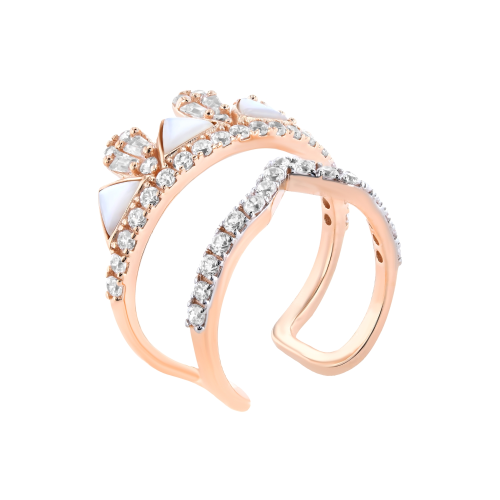
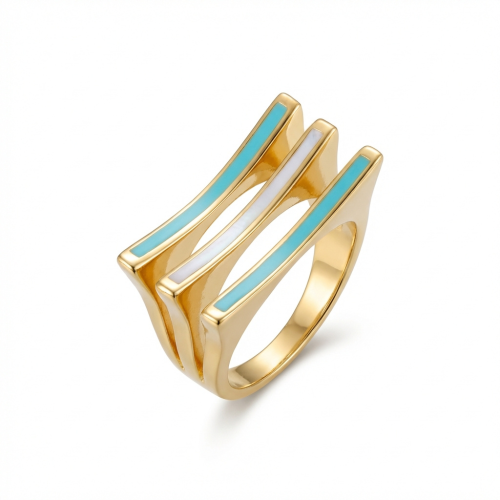
Statement rings incorporating dallah-inspired geometric patterns have become increasingly popular. Wide gold bands feature miniature geometric designs that echo the ornamental details found on traditional dallah vessels. Rings might showcase intricate lattice patterns or simplified dallah outlines on the band itself.
Necklace and Bracelet Collections
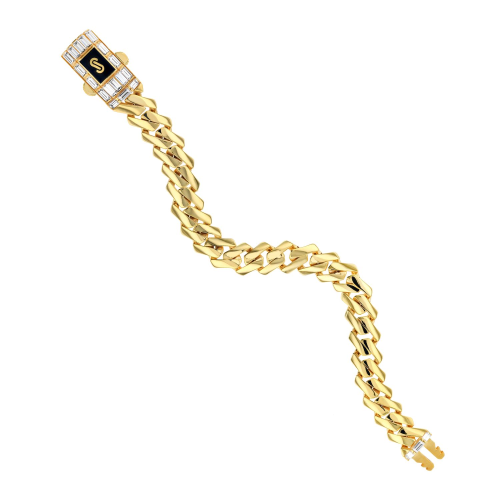
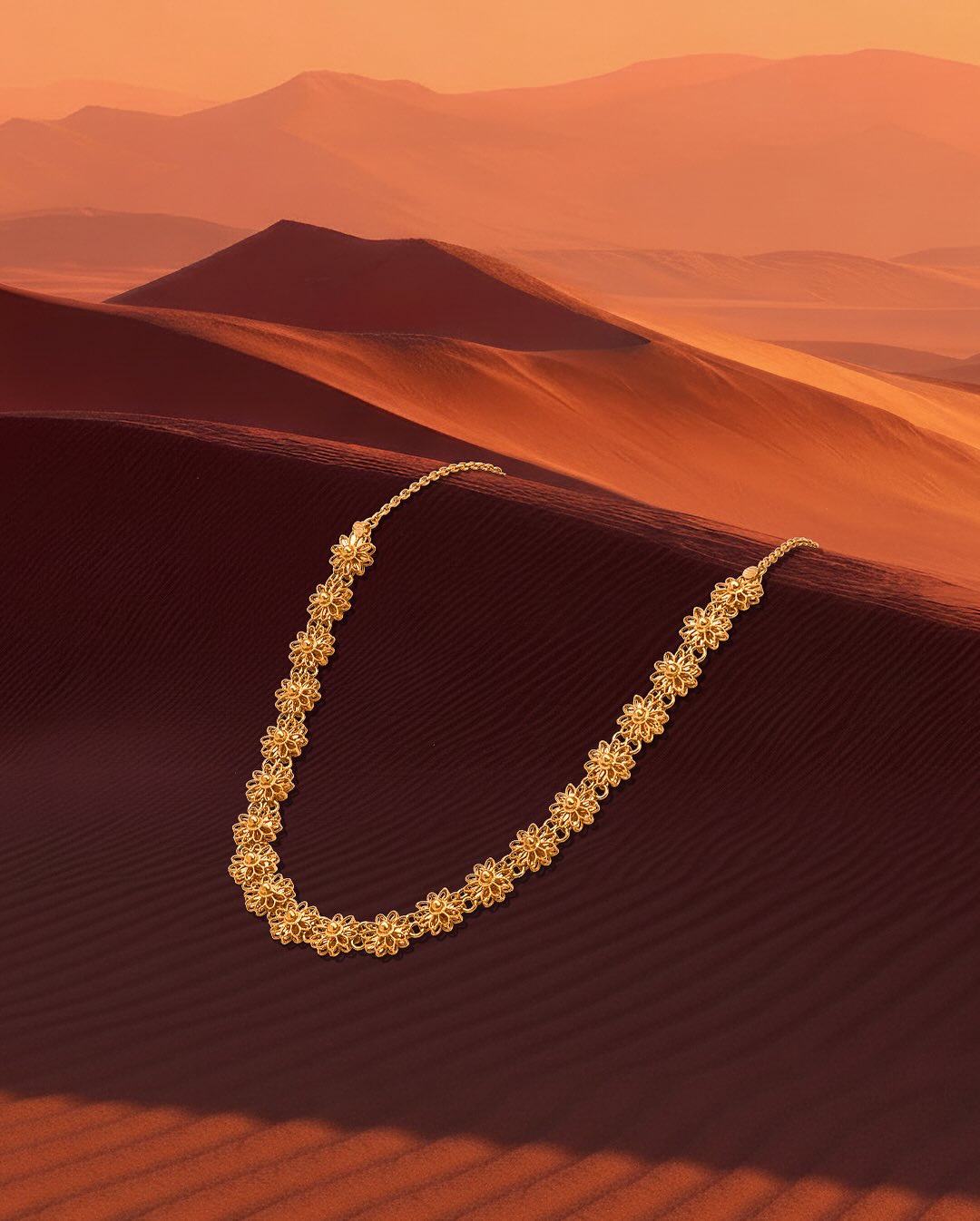
Long statement necklaces and layered chains now feature dallah-inspired elements. Some pieces incorporate small dallah-shaped charms, while others use geometric patterns reminiscent of traditional dallah ornamentation. Bracelets with etched geometric designs or studded with gemstones in traditional Arabic patterns offer versatile ways to incorporate this heritage into daily wear.
Elaborate Bridal Pieces
For special occasions, designers create elaborate bridal jewelry incorporating dallah and Arabian motifs. These pieces might feature the dallah shape prominently in the centerpiece of a necklace, combine multiple traditional patterns across an entire collection, or use calligraphy spelling out meaningful phrases or names.
The Symbolism of Wearing Dallah and Arabian Motif Jewelry
Jewelry featuring dallah and traditional Arabian motifs carries significance beyond its aesthetic appeal. Each piece tells a story and communicates meaningful messages about identity, values, and heritage.
Cultural Identity and Pride
For those with Arabian heritage, wearing jewelry featuring traditional motifs represents a connection to ancestral roots and cultural pride. These pieces serve as visible expressions of identity, communicating respect for tradition while embracing contemporary life. They create bridges between generations, allowing younger generations to feel connected to the heritage of their ancestors.
Symbol of Hospitality and Generosity
Because the dallah symbolizes hospitality and generosity in Arabian culture, wearing jewelry incorporating its motifs represents these cherished values. It communicates to the world that the wearer values community, warmth, and meaningful connections with others.
Financial Security and Wealth
In traditional Gulf societies, gold jewelry functioned as portable wealth and financial security. This historical practice continues today, with many families preferring to invest in high-quality gold jewelry as both beautiful adornment and tangible financial assets. The preference for high-karat gold reflects this dual purpose of jewelry as both cultural expression and financial security.
Spiritual Connection
For many wearers, jewelry incorporating calligraphy, crescent moons, or other spiritually significant elements provides a daily connection to faith and spiritual values. These pieces offer spiritual comfort alongside aesthetic beauty.
Trends in Contemporary Dallah and Arabian-Inspired Jewelry
The jewelry market continues to evolve, with exciting new trends emerging in how designers approach traditional Arabian motifs.
Sustainable and Ethical Luxury
Contemporary consumers increasingly value sustainable and ethically produced jewelry. Designers committed to traditional craftsmanship methods offer jewelry that supports skilled artisans and preserves ancient techniques. This movement toward slow fashion and sustainable luxury aligns perfectly with the timelessness of Arabian design traditions.
Celebrity and Influencer Influence
High-end jewelry brands and designers are gaining international recognition for their contemporary takes on Arabian motifs. Modern luxury brands are embracing this trend, creating pieces that honor traditional artistry while incorporating contemporary aesthetics, appealing to cosmopolitan sensibilities worldwide.
Technology and Traditional Craft
Some contemporary designers successfully blend traditional hand-craftsmanship with modern technology. CAD design tools help create precise geometric patterns while maintaining the handcrafted quality and artisanal feel of traditional pieces.
Investment-Worthy Pieces
As appreciation for cultural heritage grows, jewelry featuring traditional Arabian motifs increasingly appeals to collectors and investors. Pieces demonstrating superior craftsmanship and authentic design command higher values, making them wise investment choices alongside their aesthetic and cultural appeal.
Choosing Your Perfect Piece
When selecting jewelry incorporating dallah and Arabian motifs, several factors can help guide your decision.
Occasion and Lifestyle
Consider how you'll wear your piece. Some designs work beautifully for daily wear, offering subtle cultural connection through minimalist designs. Others make powerful statements at special occasions, weddings, or formal events where you want to showcase cultural pride and elegance.
Personal Style and Preference
Whether you prefer bold and chunky traditional styles or delicate and detailed contemporary interpretations, choose pieces that resonate with your aesthetic. Your jewelry should feel like an authentic expression of your personality and values.
Authenticity and Craftsmanship
Look for pieces created by artisans with genuine knowledge of Arabian jewelry traditions. Authentic pieces demonstrate superior craftsmanship, appropriate cultural representation, and true understanding of the symbolism embedded in each design element.
Gold Quality and Purity
Understanding gold purity helps you make informed choices. Higher-karat gold (21K or 22K) offers the warm color associated with Arabian jewelry and provides better value retention. Lower-karat options offer affordability while maintaining traditional aesthetics.
Investment Potential
If viewing your jewelry purchase partly as investment, prioritize pieces demonstrating exceptional craftsmanship, using high-quality materials, and created by respected designers. Pieces honoring traditional designs while offering contemporary appeal tend to appreciate in value over time.
Conclusion
The reinvention of traditional dallah and Arabian motifs in gold jewelry represents a beautiful fusion of heritage and contemporary style. These pieces allow wearers to celebrate cultural identity, honor ancestral traditions, and make meaningful fashion statements simultaneously.
Whether you choose a minimalist pendant featuring a simplified dallah outline, an elaborate statement necklace incorporating geometric Islamic patterns, or custom pieces featuring family names in Arabic calligraphy, contemporary interpretations of Arabian jewelry traditions offer something for every taste and lifestyle.
As globalization continues to shape our world, jewelry preserving and celebrating cultural heritage becomes increasingly valuable. These new classics remind us that the most meaningful accessories are those carrying stories, symbols, and significance that connect us to our past while allowing us to express ourselves authentically in the present.
By choosing jewelry that honors traditional Arabian design, you're not simply accessorizing. You're wearing a piece of history, celebrating cultural values of hospitality and community, and investing in craftsmanship that has been refined across centuries. In doing so, you become part of a tradition that continues to evolve while remaining beautifully, fundamentally timeless.
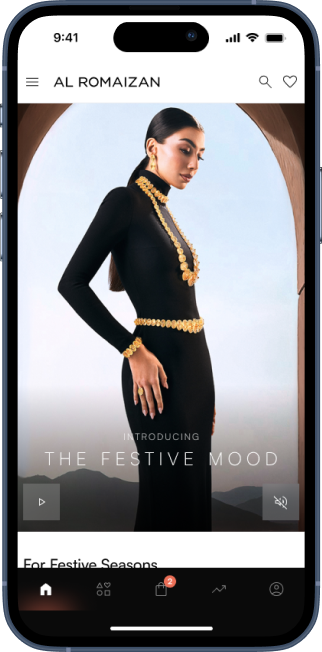

Download the App & Invest
in Al Romaizan Gold today