The Gemstone Investment Guide: Which Colored Stones Are Gaining Value in 2026
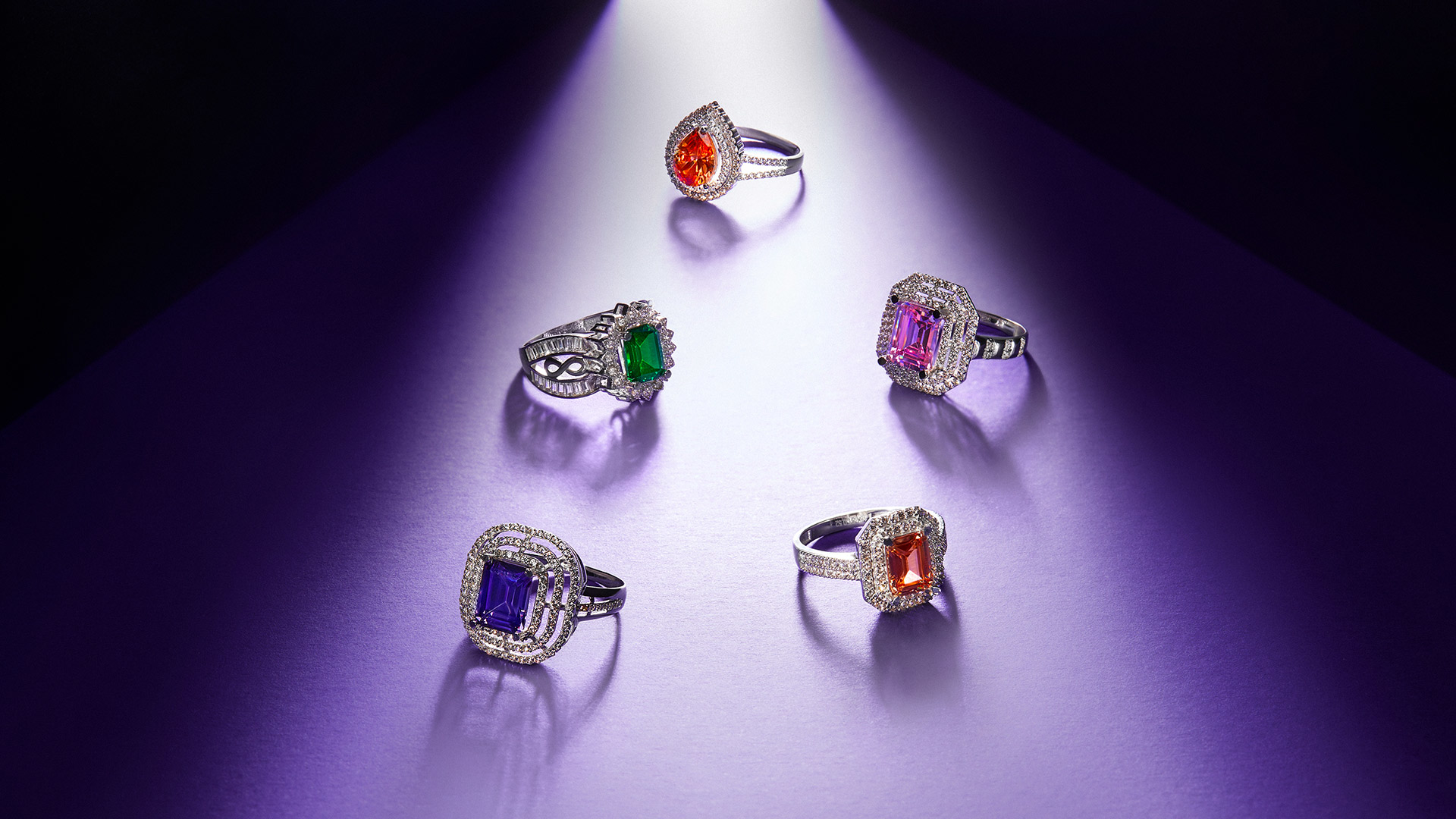
Gold is not the only thing climbing right now. Colored gemstones are having a real moment in 2026, and it is not just about looking beautiful on a finger or around a neck. More and more people are starting to see rubies, sapphires, emeralds, and a few surprising underdogs as genuine investment pieces. If you have ever wondered whether a colored stone can actually hold or grow its value, this guide breaks it all down in plain, simple terms.
Why Colored Gemstones Are Suddenly a Big Deal
For years, diamonds sat at the top of the jewelry investment world. That is shifting. Lab-grown diamonds have become so widely available that natural diamonds are facing more competition than ever, which has pushed serious collectors and investors toward stones that simply cannot be manufactured in a lab with the same rarity or history.
Colored gemstones do not have that problem. A stone like a Colombian emerald or a Burmese ruby carries a story tied to a specific mine, a specific region, and often a limited supply that is running out. That kind of scarcity is exactly what investors are chasing when markets feel uncertain.
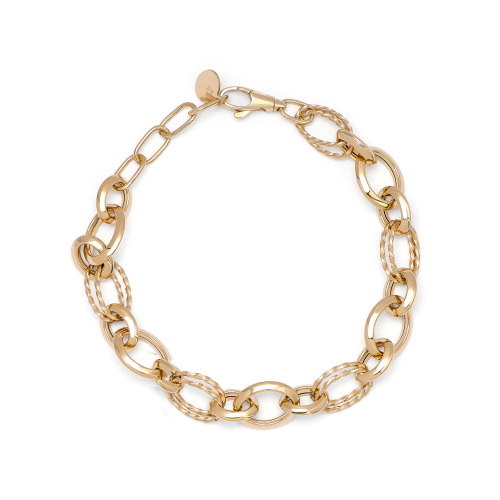
Add to that the fact that gold prices have surged to record highs this year, and it makes sense that people are turning to gold-set colored gemstone jewelry as a way to hold something tangible. Unlike stocks, a beautiful sapphire ring does not disappear if the market has a bad week. It sits in a safe, quietly gaining value while doing its job as a stunning piece of jewelry at the same time.
The Big Three Are Still Leading the Way
Rubies, emeralds, and sapphires remain the heavyweights of the gemstone investment world, often called the "Big Three." Here is why each one still matters in 2026.
Rubies continue to be called the king of gemstones. The most desirable ones come from Burma or Mozambique, and an unheated, untreated ruby with that deep "pigeon blood" red can sell for far more than a treated stone. Buyers are paying close attention to whether a ruby has been heated at all, since natural color without any enhancement is now considered the ultimate flex.
Emeralds are holding strong too, especially vivid green Colombian stones with minimal treatment. A "no oil" emerald, meaning one that has not been filled or treated to hide inclusions, is now seen as a status symbol on its own. These stones can sell for close to double the price of a similar emerald with even minor treatment.
Sapphires are branching out beyond the classic cornflower blue everyone knows. Padparadscha sapphires, that rare pinkish-orange variety from Sri Lanka, are getting serious attention this year. Unheated sapphires of any color are also commanding a real premium, sometimes thirty to fifty percent more than heated versions of similar quality.
The Smart Buys for Smaller Budgets
Not everyone has the budget for a museum-grade ruby, and that is completely fine. If you want to get into gemstone investing without spending a fortune, a few stones are worth watching closely.
Tsavorite garnet is one of them. It has that same rich green appeal as an emerald but without the fragility issues that come with emerald treatments, since garnets are naturally more durable. It is rarer than people realize, and demand has been climbing steadily.
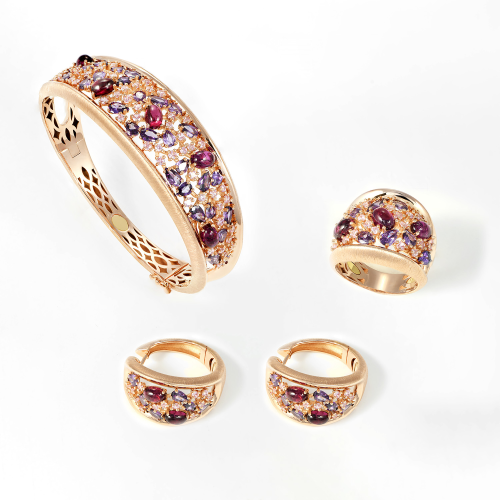
Mahenge spinel, which comes from Tanzania, is another one to watch. These stones show up in gorgeous pinkish-purple and reddish tones, and red variants especially can sell for up to three times more than pink ones. Spinel has quietly built a reputation among collectors as one of the smartest entry points into serious gem investing, since it trades at a fraction of what a comparable ruby or sapphire would cost.
Paraiba tourmaline deserves a mention too. Its glowing neon blue-green color is unlike anything else found in nature, and because it comes from such a limited source, supply is extremely tight. This is one of those stones that started as a niche favorite among collectors and has slowly become a mainstream investment name.
Alexandrite is the wildcard on this list. It shifts color depending on the light, appearing green in daylight and a plum-red under warm indoor lighting. That color-change effect makes it feel almost magical, and its natural rarity means the price has nowhere to go but up as more people discover it.
What Actually Makes a Gemstone Worth Investing In
Not every pretty stone is a good investment. A few things matter far more than most people realize when it comes to real long-term value.
Certification is everything. A gemstone without a proper report from a trusted lab like GIA, GRS, or SSEF is a gamble, no matter how good it looks. New treatment techniques have become so advanced that a stone can look flawless while actually being worth very little underneath. Always ask for documentation before treating any purchase as an investment.
Origin matters just as much as color. A Kashmir sapphire or a Burmese ruby carries a kind of prestige that a similar looking stone from a less storied source simply cannot match. This is not snobbery, it is about supply. Some of these historic mines closed decades ago and will never reopen, which locks in permanent scarcity.
Treatment history can make or break the price. Whether a stone is heated, oiled, or left completely natural changes its value dramatically. As a general rule, the less a stone has been touched, the more it is worth, assuming the natural quality is already strong.
Should You Buy or Hold Right Now
If you already own colored gemstones, most experts are pointing toward holding rather than selling. Supply chains from traditional mining regions remain tight, and the shift toward rare, natural stones shows no sign of slowing down anytime soon.
If you are looking to buy, start small and focus on learning before spending big. Pick one or two stone types you genuinely love, understand their quality markers, and always buy certified pieces from sources you trust. Gemstone investing rewards patience far more than quick flips, so think in terms of years, not months.
The Bottom Line
Colored gemstones are stepping into a spotlight that used to belong almost entirely to diamonds. Between rising gold prices, growing interest from younger buyers, and the simple fact that nature is not making more Kashmir sapphires or Burmese rubies, the appeal makes sense. Whether you are drawn to the timeless glow of a ruby or the quiet rarity of a Mahenge spinel, 2026 is shaping up to be a genuinely exciting year to pay attention to colored stones, both for the love of them and for what they might be worth down the road.


Download the App & Invest
in Al Romaizan Gold today