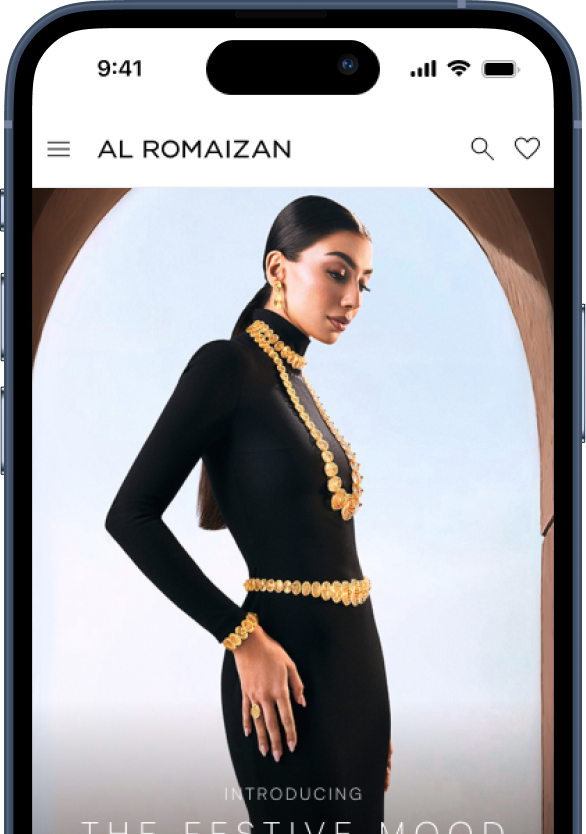
Just Gold: When the Material is the Only Masterpiece
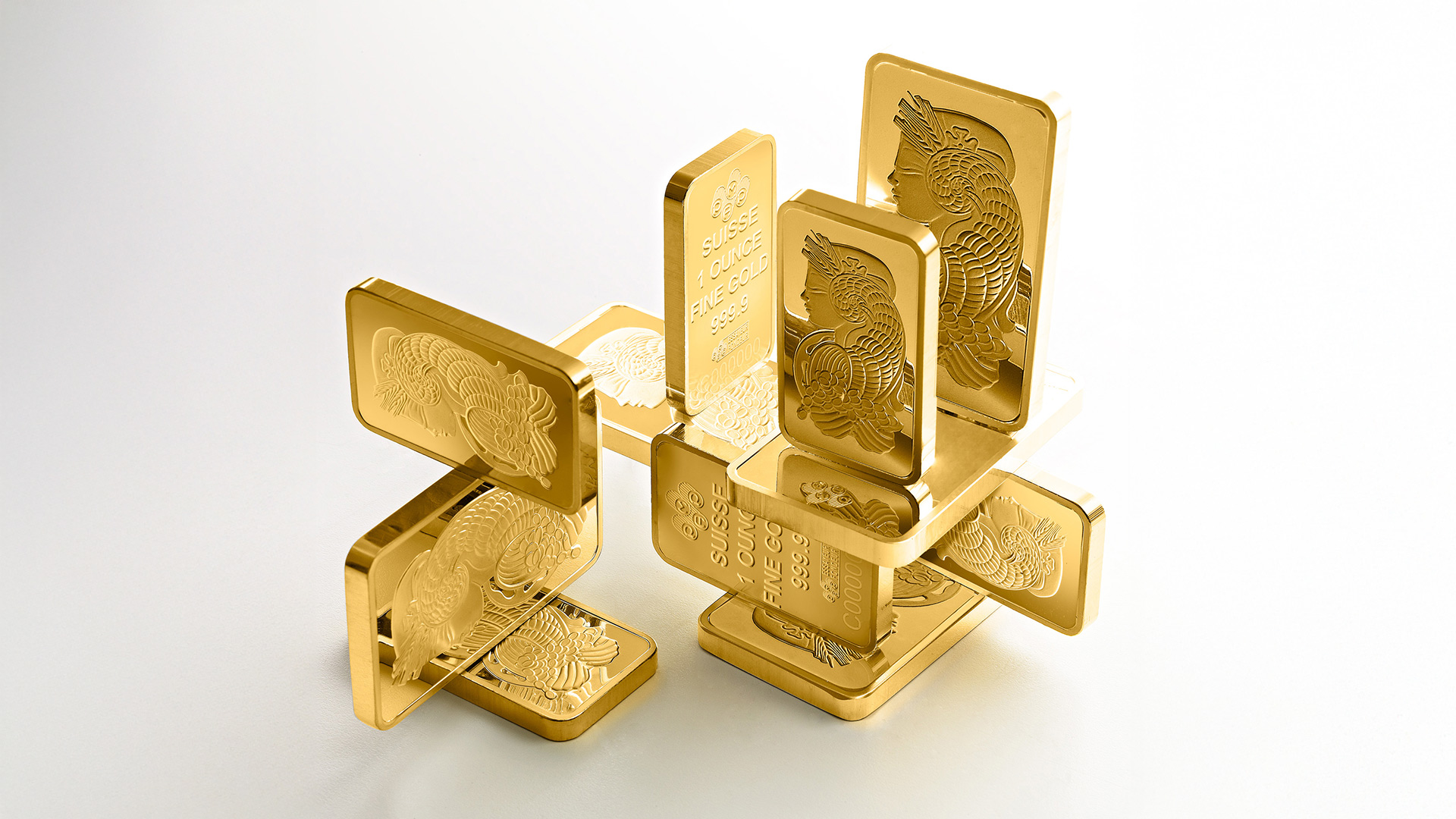
Gold has captivated human civilization for thousands of years. From ancient royal courts to modern luxury jewelry collections, this precious metal holds a special place in our hearts and on our wrists. But what makes gold so special? The answer is simple yet profound: sometimes, the material itself is the masterpiece. When you strip away complex designs and focus on pure gold, you discover a metal with properties so remarkable that it needs no embellishment. It is simply gold—beautiful, valuable, and timeless.
What Makes Gold So Special?
Gold is not just another metal. It is a chemical element with the symbol Au and atomic number 79, classified as a transition metal and one of the noble metals. This classification means gold is one of the least reactive chemical elements available in nature. This unique property is fundamental to understanding why gold remains beautiful and untarnished throughout the ages.
The physical appearance of gold is instantly recognizable. Unlike most metals that appear gray or silver, gold displays a warm, luminous yellow color that catches light in an almost magical way. This distinctive hue comes from specific electron transitions within the gold's atomic structure. It is one of only two colored metals among all metallic materials—copper being the other. This natural yellow brilliance is a significant part of what makes gold so highly prized in the jewelry industry and among collectors worldwide.
The Remarkable Properties of Gold
Beyond its beautiful appearance, gold possesses physical and chemical properties that set it apart from every other metal. Understanding these properties reveals why gold is truly a masterpiece in material form.
Gold is extremely malleable and ductile, meaning it can be shaped, stretched, and molded with remarkable ease. Artisans can work gold with their hands, drawing it into fine wires or hammering it into thin sheets without breaking it. This property has allowed craftspeople throughout history to create intricate jewelry designs that would be impossible with other metals. The material bends to the imagination, making it the ideal canvas for artistic expression.
Gold is also incredibly dense, giving jewelry made from it a substantial, weighty feel. This density contributes to the perception of value and quality that gold jewelry carries. When you hold a piece of gold jewelry, you feel its presence—a tangible reminder of its worth and importance.
Perhaps the most important property of gold is its extraordinary resistance to corrosion. Gold does not rust, tarnish, or oxidize like other metals. This means a piece of gold jewelry from your grandmother can look as bright and beautiful today as it did decades ago. Gold maintains its luster and shine without requiring special cleaning or protective coatings. While other precious metals may fade or discolor over time, gold remains eternally brilliant.
Gold is also an excellent conductor of heat and electricity, making it valuable far beyond jewelry. These properties have led to its widespread use in electronics, aerospace technology, and medical applications. The metal's low electrical resistance ensures reliable connections in computerized devices, while its thermal conductivity helps regulate temperatures in critical components.
Gold Purity and the Karat System
When discussing gold jewelry, understanding purity is essential. Pure gold, or 24-karat gold, is actually too soft for most practical jewelry applications. Artisans typically alloyed gold with other metals like copper, silver, and zinc to create stronger, more durable pieces.
The karat system measures gold purity on a scale of 1 to 24. Here is what you need to know about common karat ratings:
18-karat gold contains 75% pure gold mixed with other metals. This creates a piece that is both strong and highly valuable, maintaining that deep, warm yellow hue that pure gold lovers adore.
14-karat gold contains approximately 58% pure gold and is the standard for jewelry in the United States. This balance offers durability for everyday wear while maintaining significant gold content and value.
10-karat gold is the minimum standard in many countries and contains about 42% pure gold. While more affordable, pieces below 10-karat gold contain so little actual gold that they lack the longevity and quality of higher karat pieces.
The relationship between karat rating and aesthetic properties is direct. Higher karat gold appears more deeply yellow and shimmers with greater intensity. Lower karat alloys appear more muted in color due to the presence of other metals. For collectors and those who view gold as a masterpiece, higher karat pieces are preferable because the material itself is more prominent.
The Timeless Appeal of Gold
Throughout history, gold has symbolized purity, value, royalty, and prestige. Ancient Egyptians, Romans, and civilizations across the world recognized gold's inherent worth and used it to craft objects of lasting importance. Kings and queens adorned themselves with gold not just for decoration, but as a statement of power and permanence.
This symbolic value has never diminished. Today, gold remains the metal of choice for engagement rings, wedding bands, and milestone jewelry pieces. When someone gives you gold jewelry, they are not simply giving you an object—they are giving you something eternal. Gold does not fade. It does not lose its meaning. It simply becomes more valuable as time passes.
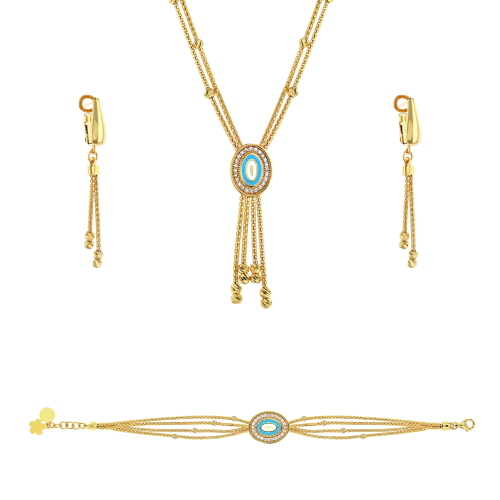
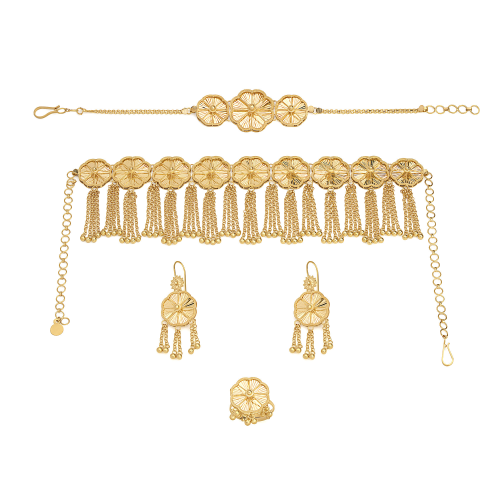
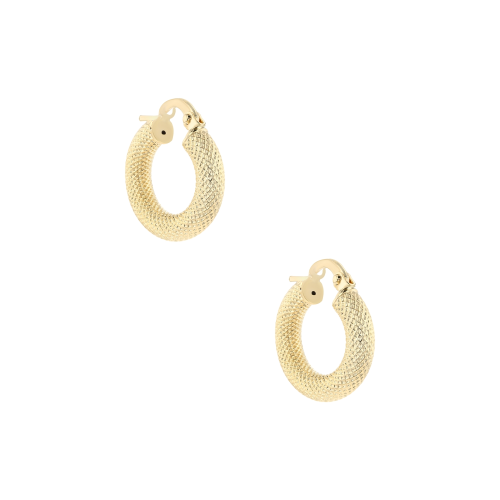
The jewelry industry relies on gold's natural appeal. About 50% of newly produced gold globally is used in jewelry manufacturing. Designers choose gold not because trends demand it, but because the material itself is perfect. A simple gold band requires no diamonds, no gemstones, and no elaborate design to be beautiful. The metal alone is enough.
Gold as an Investment
Beyond beauty, gold serves as a practical investment. About 40% of newly produced gold is purchased as investment bullion or coins. People hold gold as a hedge against inflation and economic uncertainty because gold's value remains stable across generations. Unlike currency that can lose purchasing power, gold maintains intrinsic worth.
Gold's density and weight make it convenient to store. Investors purchase gold in various forms—bars, coins, and ingots—knowing that the material itself holds value. An ounce of gold today holds the same fundamental importance it did a hundred years ago.
Why Sometimes Simple is Perfect
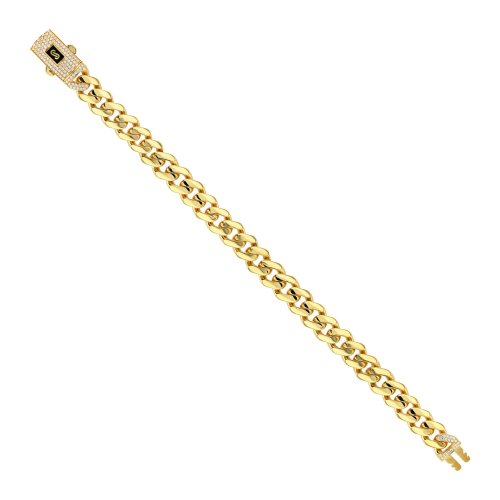
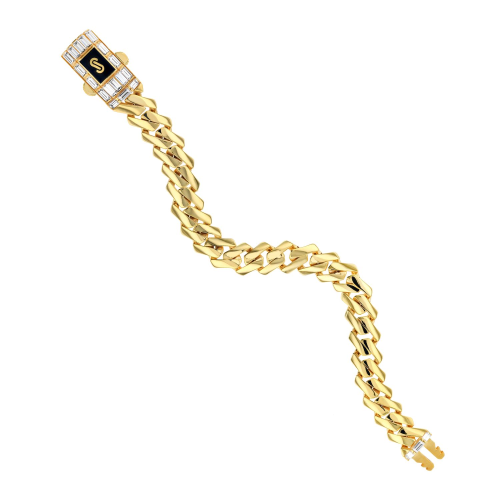
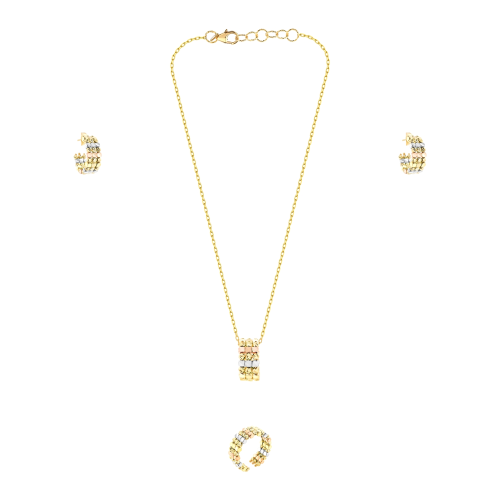
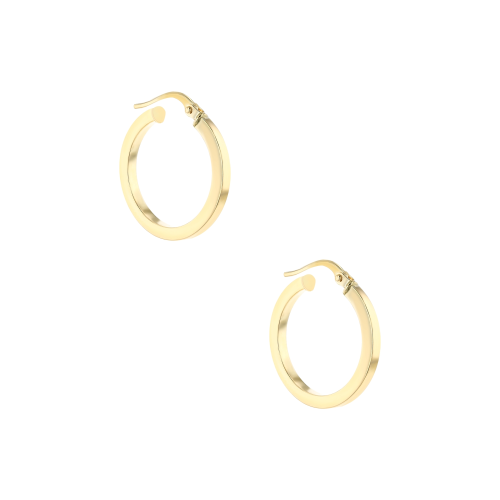
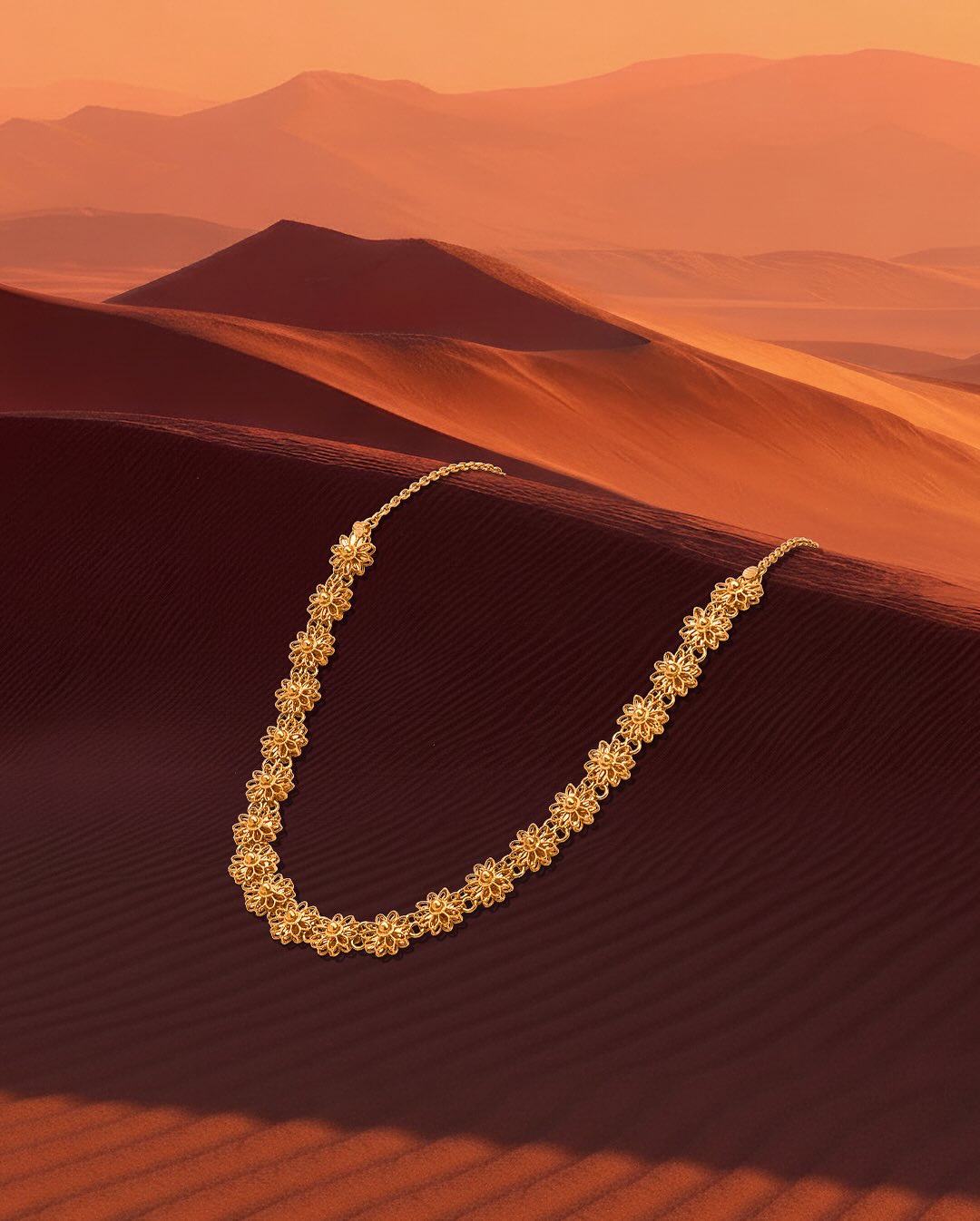
The concept of gold as the only masterpiece challenges our assumption that beauty requires complexity. The most elegant gold pieces often feature minimal design. A perfectly crafted gold ring with no gemstones shines through its material quality alone. A gold bracelet made from simple, linked segments displays the metal's natural luster more powerfully than any decorated piece could.
This purity of purpose—choosing gold and letting the material speak for itself—represents a philosophy of timeless design. It respects the metal's inherent properties and trusts that gold needs no assistance to be beautiful.
Gold transcends the typical definition of material. It is beautiful, durable, valuable, and permanent. When you hold a piece of pure gold jewelry, you are holding something that has been treasured since human civilization began. The material is the masterpiece—no embellishment necessary.
In a world of trends and temporary fashions, gold remains constant. It will outlast its owner, pass to the next generation, and continue to shine as brightly as the day it was created. This is why gold deserves to be appreciated not just as jewelry, but as a true masterpiece of nature itself. Just gold. That is all you need.


Download the App & Invest
in Al Romaizan Gold today